Solo Travel Safety Plan: Smart Habits + Checklist
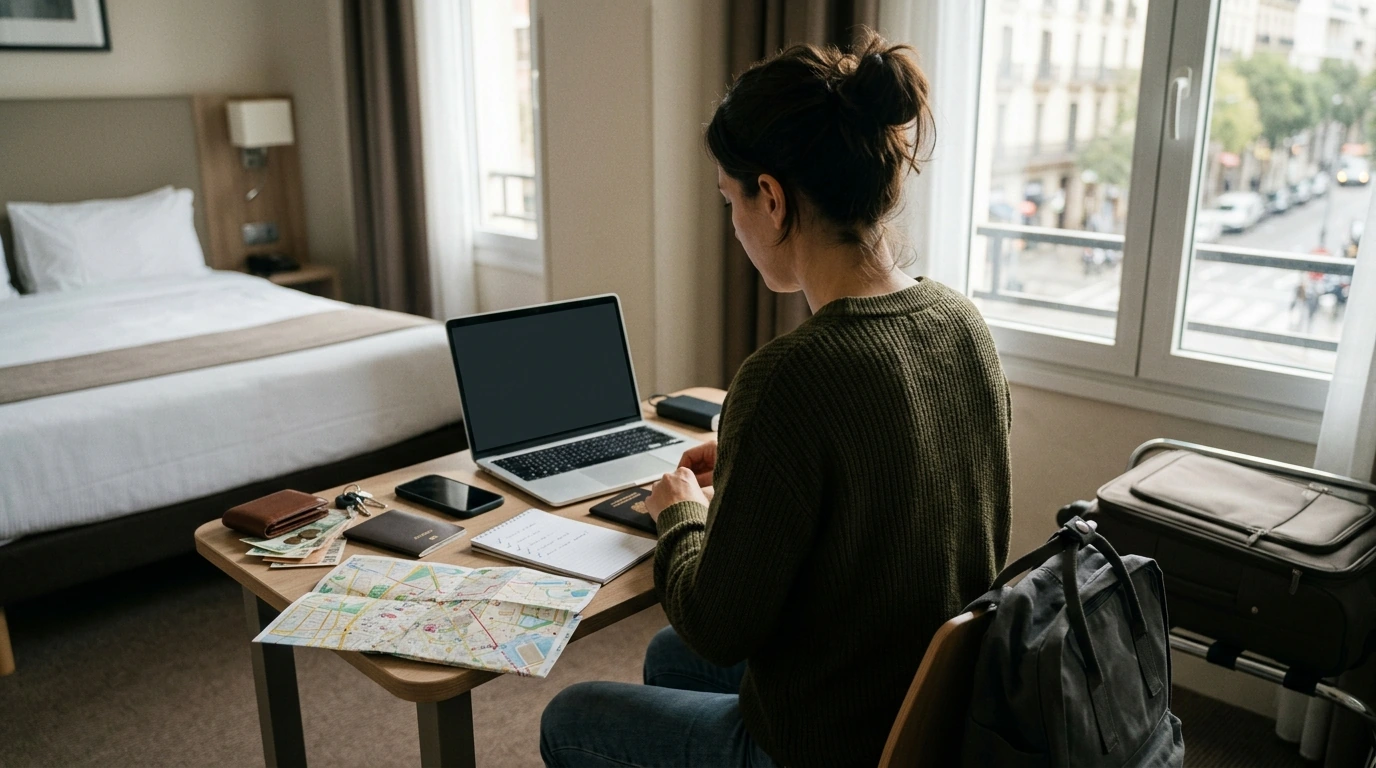
Solo Traveler’s Guide to Staying Safe: Practical Planning, Smart Habits, and a Ready-to-Use Checklist
Solo travel can feel freeing and simple—until one small oversight turns into a stressful situation. A solid safety plan reduces risk without reducing spontaneity. The goal isn’t to travel scared; it’s to travel prepared. Below are clear, repeatable steps to help you assess a destination, organize documents and money, arrive with confidence, protect your tech and data, and respond quickly if something goes wrong—plus a quick checklist you can reuse before every trip.
Safety starts before booking: risk factors that matter most
Start by focusing on situational risk rather than a destination’s overall reputation. Two neighborhoods in the same city can feel completely different at 10 a.m. versus 11 p.m., and “safe” places can still be hotspots for pickpocketing or rideshare scams.
- Look beyond headlines: consider petty theft rates, transport safety, common scams, emergency response reliability, and late-night mobility.
- Use multiple signals: government advisories, recent news patterns, neighborhood-level guidance from locals/hotels, and seasonal factors (storms, protests, festivals).
- Match the trip style to your tolerance: nightlife-heavy plans, remote hiking, and overnight buses/trains each add different exposure points.
- Plan for “friction points” where solo travelers are most vulnerable: arrivals, ATM use, check-in, and navigating while tired or distracted.
- Set decision rules in advance: no unverified rides, no isolated shortcuts, no publicly sharing your lodging address.
Quick destination risk check (use during planning)
| Factor | What to look for | Low-risk signal | Higher-risk signal |
|---|---|---|---|
| Arrivals & transport | Late arrivals, transit reliability, taxi/ride options | Official airport taxis, well-lit transit hubs | Unregulated taxis, frequent scams, limited night options |
| Petty crime patterns | Pickpocketing, snatch-and-run, bag theft | Incidents are rare or localized | Incidents common in tourist corridors |
| Neighborhood clarity | Safe/avoid areas are clearly identified | Clear guidance from locals/hotel | Vague guidance; frequent reports of “wrong turn” issues |
| Emergency readiness | Local emergency numbers, hospital access | Easy access; reliable response | Limited facilities; slow response |
| Connectivity | SIM/eSIM availability, reliable coverage | Easy setup; stable coverage | Frequent dead zones; hard to get service |
For destination research, cross-check official and health guidance such as the U.S. Department of State travel information and the CDC Travelers’ Health page.
Pre-trip security planning: documents, money, and backups
Pre-trip planning is where you buy yourself options. The best backup is the one you can access when your phone is dead, your wallet is missing, or you’re standing at a counter under pressure.
- Create a minimal “travel identity kit”: passport/ID scans, visas, insurance, key confirmations, and emergency contacts stored securely (encrypted cloud + offline copy).
- Separate critical items: secure your primary ID, carry a secondary ID copy, and store a backup card/cash away from your main wallet.
- Harden accounts before departure: strong passcodes, two-factor authentication that works abroad, and a plan for lost-phone recovery.
- Share your itinerary the smart way: send a trusted contact your lodging name (not room number), basic schedule, and a check-in cadence.
- Learn emergency basics: local emergency numbers, nearest reputable hospital area, consulate info, and top scams reported recently.
If you want a reusable template for this setup, the Solo Traveler’s Guide to Staying Safe (digital download PDF eBook) keeps the steps, prompts, and checklist in one place so you can refresh it quickly before each trip.
Smart arrival routine: the first hour sets the tone
Arrivals combine the most common solo travel vulnerabilities: fatigue, distraction, luggage, and unfamiliar surroundings. A simple routine helps you move through that first hour with fewer openings for scams or mistakes.
- Avoid “distraction windows”: keep phone use minimal in crowds, at baggage claim, and while exiting terminals.
- Confirm transport before stepping outside: use official taxi stands, vetted ride apps, or pre-arranged pickups; verify plate and driver details when possible.
- Keep essentials on-body: a small crossbody or belt bag for phone, one card, and one backup payment method (not in outer pockets).
- Do a quick orientation check: confirm your route, locate well-lit public spots, and note where you can ask for help (hotel desk, staffed café).
- Use a calm confidence script for unwanted attention: brief responses, no personal details, and move toward populated areas.
Daily habits that reduce risk without feeling restrictive
Daily safety isn’t about rigid rules; it’s about removing predictable weak points. Most “close calls” happen when someone is rushed, tired, overconfident, or trying to be polite.
- Blend in where possible: keep jewelry minimal, avoid flashing expensive tech, and carry only what you need for the day.
- Choose “boring” routines for high-risk moments: indoor ATMs, direct routes at night, and alcohol limits when alone.
- Protect location privacy: avoid real-time posting, hide lodging details in photos, and delay updates until after you leave an area.
- Set boundaries early: decline invitations that require isolation, avoid “second locations” with strangers, and trust discomfort signals.
- Manage energy: fatigue leads to mistakes—schedule downtime so you aren’t navigating unfamiliar areas exhausted.
Lodging safety: choosing well and setting up your room
Tech and data safety on the road
If something goes wrong: a calm response framework
Printable-style solo travel safety checklist (quick scan)
Digital guide option: a ready-to-use safety plan you can save and reuse
- Solo Traveler’s Guide to Staying Safe (digital download PDF eBook) for a reusable planning framework.
- Top 10 Must-See U.S. National Parks + Fast Facts (digital travel guide) for structured planning when your solo trip includes outdoorsy itineraries.
- Essential Adult Skills Guide for practical systems that support safer travel habits (budgeting, communication, and day-to-day planning).
FAQ
What is the riskiest destination for solo travelers?
There isn’t one single “riskiest” destination—risk depends on neighborhood, timing, your itinerary (especially late nights), and how you’ll move around. Use travel advisories, recent incident patterns, and local guidance, and pay extra attention to arrival logistics and nightlife-heavy plans.












Leave a comment