Mindful Clarity Printable Journal: Mindfulness + Gratitude
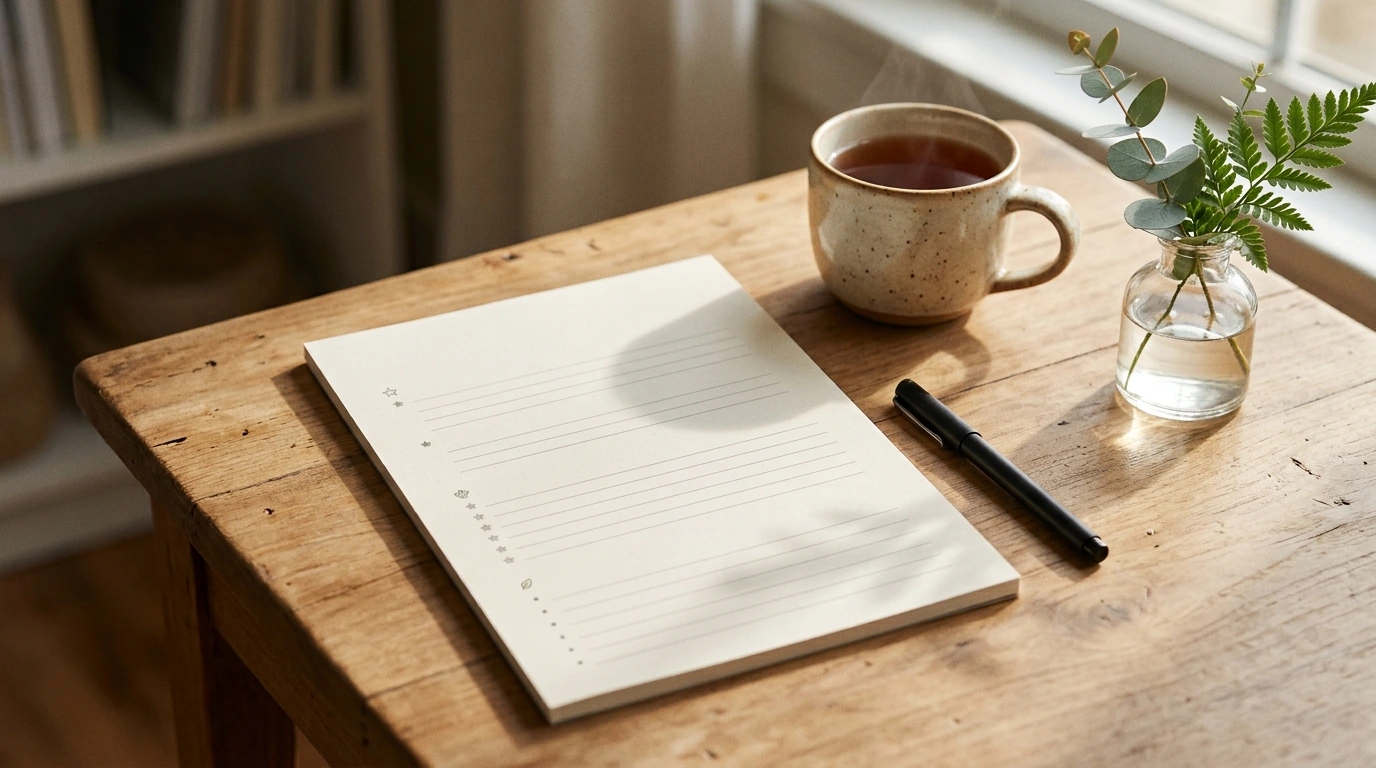
Mindful Clarity: A Printable Journal for Daily Mindfulness, Gratitude, and Reflection
Mental well-being often improves with small, repeatable practices that help slow down racing thoughts and notice what’s working. A printable journal can make that easier by turning reflection into a simple daily routine—especially when each page includes gentle guidance, gratitude exercises, and short quotes that help reset perspective. “Mindful Clarity” is built for that kind of steady, low-pressure practice: a few minutes of noticing, naming, appreciating, and choosing one next step.
Research-backed resources also support the idea that mindfulness and gratitude can be meaningful additions to daily life when practiced consistently. For more background, explore the NCCIH overview of mindfulness and the American Psychological Association’s notes on gratitude.
What “Mindful Clarity” is designed to support
Some days call for a full page of writing; most days don’t. This journal format keeps reflection structured and approachable, with enough guidance to avoid blank-page paralysis.
- A calmer start or end to the day with brief, structured writing
- Noticing emotions without getting overwhelmed by them
- Building a consistent gratitude habit beyond “three things” lists
- Strengthening self-awareness through guided reflection rather than blank-page pressure
- Creating a personal record of patterns, wins, and stress triggers over time
What’s included in the printable journal
Each page is designed to be quick to complete while still feeling personal and specific—more like a check-in than a homework assignment.
- Daily mindfulness check-ins that encourage grounding in the present moment
- Gratitude exercises that rotate focus (people, moments, body, environment, progress)
- Reflective quotes that can be used as a short contemplation or writing starter
- Prompted space for intentions, observations, and a simple next step
- Printable format for flexible use: binder, clipboard, or single sheets
If you want a ready-to-print set of guided pages, see Mindful Clarity: Journal & Prompts (printable).
A simple routine for using the pages (5–10 minutes)
This is a rhythm that works well even on busy days. The goal is honesty and consistency, not “perfect” insights.
- Start with a 30-second pause: notice breath, posture, and one sensation (temperature, sound, touch).
- Answer the first check-in honestly and briefly; one or two sentences is enough.
- Complete one gratitude exercise by being specific (who/what/when/why it mattered).
- Use the quote as a lens: write how it applies today or where it feels challenging.
- Close with one doable action: a boundary, a micro-rest, a conversation, or a small task.
Prompt themes that keep reflection balanced
Balanced reflection prevents journaling from turning into either forced positivity or endless problem-scanning. Rotating themes keeps your attention rounded and realistic.
- Body + energy: sleep quality, tension spots, what the body might be asking for
- Mind + focus: distraction triggers, priorities, single-tasking practice
- Emotions: naming feelings, what they signal, what helps them soften
- Relationships: appreciation, needs, boundaries, repair after conflict
- Self-trust: keeping promises to self, tracking progress, celebrating small wins
Weekly mix-and-match plan (choose one from each column)
| Mindfulness check-in | Gratitude focus | Reflection direction | One small next step |
|---|---|---|---|
| What is happening right now (in and around you)? | A person who supported you—how did it help? | What feeling needs acknowledgment today? | Send a short thank-you message |
| Where is tension in your body, and can it soften 5%? | A small comfort you usually overlook | What are you assuming that might not be true? | Write down one clarifying question |
| Name one thought you can set down for later | Something you did well today (even if small) | What boundary would protect your energy? | Practice one polite “no” |
| What do you need more of: rest, play, connection, quiet? | A moment of beauty you noticed | What lesson is repeating lately? | Schedule a 10-minute reset |
| What’s one thing you can control today? | Your body—something it did for you | What would “good enough” look like right now? | Pick the smallest version of the task |
Printing and setup tips for a smoother habit
The best journal is the one you’ll actually use. A little setup can remove the friction that breaks routines.
- Print a week at a time to avoid perfectionism; keep pages visible where you’ll use them.
- Try a binder or folder so completed pages stay together and become easy to review.
- Use a pen you enjoy and reduce friction: store it with the pages.
- If journaling feels heavy, set a timer for 3 minutes and stop when it ends.
- Highlight one repeated theme each week (sleep, boundaries, overcommitment, self-talk).
Ways reflective quotes can deepen the practice
Quotes work best when they’re used as conversation-starters with yourself—something to test against real life, not a rule to follow.
Who this journal format tends to work well for
Pairing ideas: building clarity beyond journaling
- Add conversation prompts for deeper check-ins with a partner or friend after journaling. Try the Meaningful Conversation Starter Guide for structured, low-awkward ways to talk about what’s real.
- Use a life-skills guide to convert reflections into practical systems (budgeting, routines, communication). The Essential Adult Skills Guide is a helpful companion when your journal points to “I need a better system,” not just “I need to feel better.”
- Create a weekly review ritual: choose one theme from the week and set one realistic intention you can repeat for the next seven days.
FAQ
What are some good prompts for a reflective journal?
A strong mix includes present-moment check-ins (body, breath, surroundings), emotion naming (what you’re feeling and what it’s asking for), meaning-making (what the day taught you), specific gratitude (why it mattered), and action-oriented reflection (one small next step you can actually do).











Leave a comment